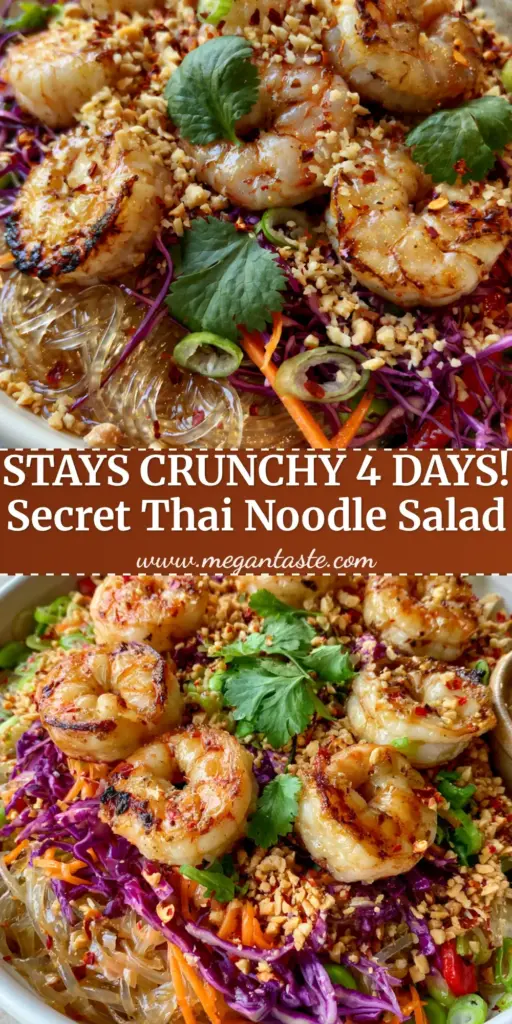
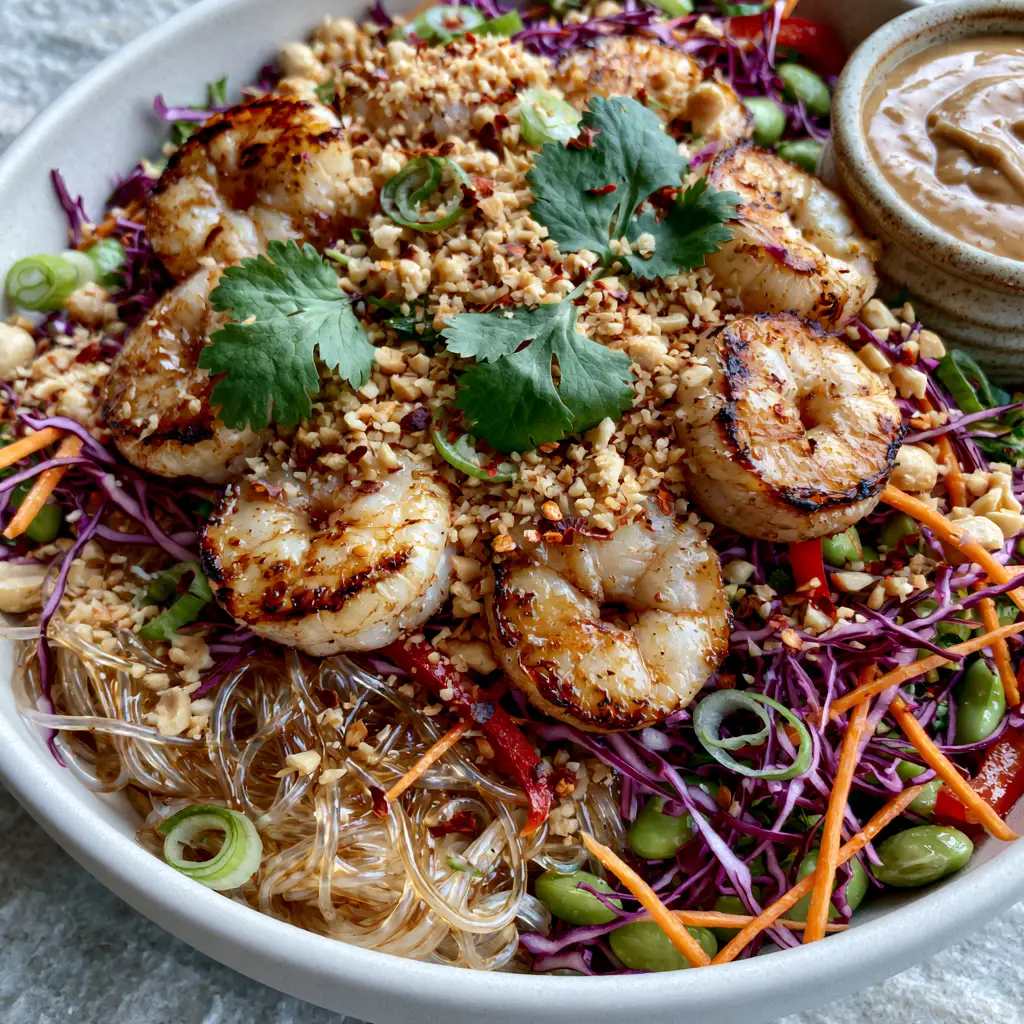
Experience the ultimate fusion of textures and vibrant flavors with this Thai Shrimp Noodle Salad. This isn’t just a meal; it’s a sensory journey through the heart of Southeast Asian-inspired cuisine, featuring plump, charred shrimp and slippery, translucent noodles.
The visual appeal of this Thai Shrimp Noodle Salad is undeniable, boasting a rainbow of crunchy vegetables against the glossy sheen of mung bean glass noodles. Whether you are prepping for a healthy lunch or a sophisticated dinner, this dish delivers on every promise of freshness and depth.
What sets this recipe apart is the dual-sauce approach: a shimmering lime-soy vinaigrette that coats the noodles and a rich, creamy peanut sauce served on the side for dipping or drizzling. Every bite is a balance of salt, acid, heat, and sweetness.
Why This Thai Shrimp Noodle Salad is a Total Crowd-Pleaser
- The Perfect Sear: Eight jumbo shrimp are seared to perfection, offering a smoky char that contrasts beautifully with the cold, refreshing noodles.
- Textural Harmony: Experience the “snap” of julienned carrots, the “crunch” of purple cabbage, and the “slippery” elegance of translucent glass noodles.
- Nutrient-Dense Profile: Packed with whole edamame beans and fresh cilantro, this salad is as nourishing as it is visually stunning.
- Professional Aesthetics: Inspired by high-end food photography, the arrangement of colors—from orange carrots to bright red bell peppers—creates a restaurant-quality presentation.
Foundational Ingredients for an Authentic Thai Shrimp Noodle Salad
Jumbo Shrimp (size 16/20): We use eight large, de-veined shrimp per serving to ensure they stand out as the star of the dish. Look for “plump” shrimp to maintain juiciness even after achieving those signature golden-brown char marks.
Glass Noodles (Cellophane/Mung Bean): These are essential for that “translucent” and “glossy” look. Unlike rice noodles, glass noodles provide a unique slippery texture that absorbs the lime-soy dressing without becoming mushy.
Purple Cabbage and Carrots: These provide the “crunchy rainbow” texture. Shredding the cabbage finely and julienning the carrots ensures they integrate perfectly with the thin noodle strands.
Whole Edamame Beans: Shelled edamame adds a pop of bright green and a boost of plant-based protein. Use 1/2 cup (75g) of steamed edamame for the best color and “crisp” bite.
The Aromatic Garnish: Fresh cilantro leaves, thin-sliced green onions, and crushed roasted peanuts provide the final layer of complexity. The peanuts add a “heavy dusting” of saltiness and grit that ties the salad together.
Lime-Soy Vinaigrette: A thin, shimmering base made of fresh lime juice, light soy sauce, and a hint of sesame oil. This dressing ensures the noodles stay hydrated and flavorful.
Creamy Peanut Ramekin Sauce: A thicker, stoneware-worthy dip consisting of natural peanut butter, ginger, and garlic. This adds a “creamy” counterpoint to the acidic vinaigrette.
Essential Kitchen Tools for Culinary Precision
To achieve the “macro photo” level of perfection, you will need a few specific tools. A high-quality julienne peeler or mandoline is non-negotiable for those perfectly uniform carrot slivers and cabbage shreds.
For the shrimp, a heavy-bottomed cast iron or stainless steel skillet is required. This allows you to achieve high-heat “char marks” without overcooking the delicate interiors of the seafood.
Lastly, ensure you have a wide, matte-white ceramic bowl for serving. The neutral background makes the “vibrant colors” of the red bell peppers and green onions pop, mirroring a professional food assembly.
Mastering the Prep: Step-by-Step Instructions
Phase 1: Hydrating the Translucent Glass Noodles
Place 4 oz (115g) of dried glass noodles in a large heat-proof bowl. Pour boiling water over them until completely submerged and let sit for 5–7 minutes.
The visual cue for readiness is when the noodles turn from opaque white to completely “translucent and glossy.” Once reached, drain immediately and rinse under cold water to stop the cooking process.
Toss the cold noodles in 2 tbsp (30ml) of the lime-soy vinaigrette. This prevents clumping and ensures they have that “shimmering” moisture described in our visual blueprint.
Phase 2: Achieving the Signature Shrimp Sear
Pat the 8 jumbo shrimp completely dry with paper towels. Season lightly with sea salt and a pinch of dried red chili flakes for a subtle heat that penetrates the protein.
Heat 1 tbsp (15ml) of high-smoke point oil in your skillet over medium-high heat. Once the oil shimmers, place the shrimp in the pan, ensuring they do not touch.
Sear for 2 minutes per side. Look for “golden-brown char marks” on the edges while the center remains opaque and “plump.” Overcooking will cause them to rubberize, so watch for that vibrant pink C-shape.
Phase 3: The Rainbow Vegetable Assembly
While the shrimp rest, prepare your vegetable “rainbow.” Finely shred 1 cup (70g) of purple cabbage and julienne 1 medium carrot into 2-inch matchsticks.
Slice 1/2 of a red bell pepper into thin slivers. These should be flexible enough to mingle with the noodles but firm enough to provide a “crisp” textural contrast.
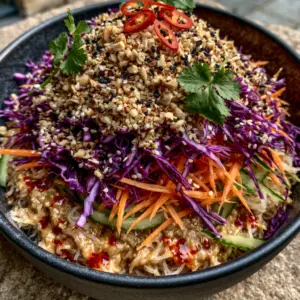
In a large mixing bowl, combine the noodles, cabbage, carrots, bell pepper, and edamame. If you enjoy a variety of textures, you might also like this spicy Asian noodle salad for your next meal prep session.
Phase 4: Final Garnish and Plating
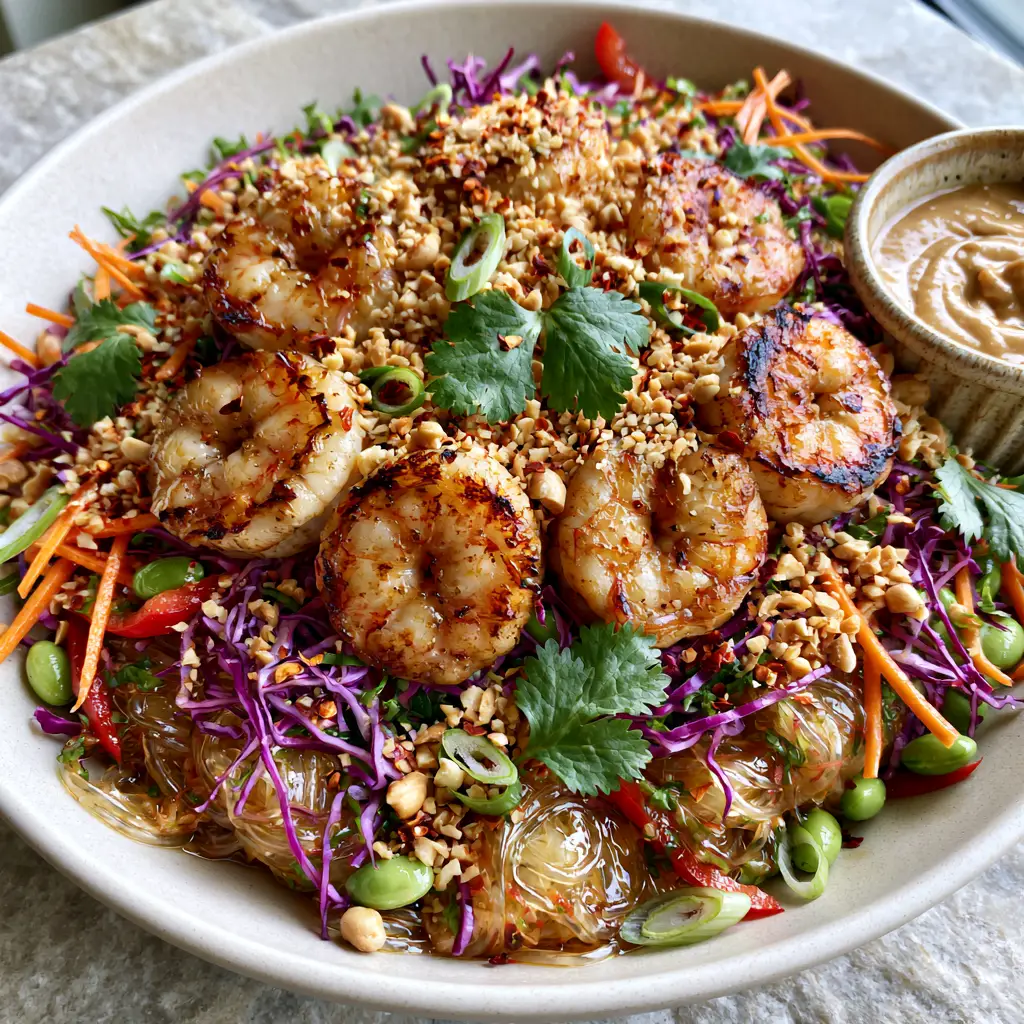
Transfer the noodle mixture into your wide matte-white ceramic bowl. Arrange the seared shrimp on top, showcasing those beautiful char marks facing upward.
Apply a “heavy dusting” of 1/4 cup (35g) crushed roasted peanuts. Scatter the whole cilantro leaves and thin-sliced green onions across the surface for a fresh, organic look.
Finish with a final sprinkle of dried red chili flakes. Place the creamy peanut sauce in a small stoneware ramekin on the side to complete the professional food assembly.
Chef’s Tips for Visual and Flavor Excellence
- The “Gloss” Factor: If your noodles look dry before serving, toss them with an extra teaspoon of sesame oil. This mimics the “soft natural window light” highlights found in professional photography.
- Peanut Crunch: Always use roasted peanuts rather than raw. The roasting process releases oils that make the peanut flavor more “vibrant” against the fresh vegetables.
- Acid Balance: If the salad feels “flat,” add an extra squeeze of fresh lime juice. The acidity is what makes the “bright orange” and “vibrant purple” flavors truly sing on the palate.
- Shrimp Sizing: Using “Jumbo” shrimp is key. Smaller shrimp cook too fast to develop deep char marks without becoming tough.
Storage and Meal Prep Strategy
This Thai Shrimp Noodle Salad is an excellent candidate for meal prep, provided you store the components correctly. Keep the lime-soy dressed noodles and vegetables in one container and the seared shrimp in another.
The peanut sauce should always be stored in its own airtight container to prevent it from thickening too much or making the other ingredients soggy. This salad is best enjoyed cold or at room temperature; do not microwave the glass noodles as they will lose their “slippery” texture.
If you love cold noodle dishes, you should definitely check out our summer salad recipes for more refreshing inspiration that lasts throughout the week.
What to Pair with This Vibrant Salad
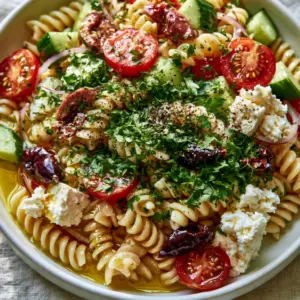
To turn this into a full feast, consider pairing it with a light, acidic side dish. A crisp cucumber, onion, and tomato salad provides a refreshing palate cleanser between the creamy peanut bites.
For those who want a bit more heartiness, a side of Asian ramen salad can offer a different noodle texture to explore. The goal is to maintain the “fresh and appetizing” theme of the meal.
Frequently Asked Questions
Yes, you can prep the vegetables and noodles up to 24 hours in advance. Store the dressings separately and sear the shrimp just before serving for the best texture.
Ensure your shrimp are patted dry with paper towels and use a high-smoke point oil in a very hot skillet. Sear for only 2 minutes per side to maintain a plump, juicy interior.
This salad is traditionally served cold or at room temperature, making it incredibly refreshing and highlighting the crispness of the raw vegetables.
You can substitute the peanut sauce with a creamy almond butter sauce or a tahini-based dressing to keep the richness without the nuts.
Mung bean glass noodles (also called cellophane or bean thread noodles) are best. They provide the signature translucent appearance and slippery texture that defines this dish.
The Ultimate Thai Shrimp Noodle Salad Recipe
Thai Shrimp Noodle Salad with Zesty Lime Vinaigrette and Creamy Peanut Sauce
Ingredients
Equipment
Method
- Soak glass noodles in boiling water for 5-7 minutes until translucent and slippery. Drain and rinse with cold water.
- Whisk lime juice, soy sauce, and sesame oil. Toss the cold noodles in this shimmering dressing immediately.
- Dry shrimp thoroughly. Sear in a hot skillet for 2 minutes per side until golden-brown char marks appear and shrimp are plump.
- Mix the dressed noodles with shredded cabbage, carrots, bell pepper, and edamame. Place in a matte-white bowl.
- Top with seared shrimp. Dust heavily with crushed peanuts, cilantro, green onions, and chili flakes. Serve with peanut sauce on the side.
Notes
Ensure the skillet is piping hot before adding shrimp to get those visual char marks without overcooking.
Conclusion: Bring the Thai Street Food Vibe Home
This Thai Shrimp Noodle Salad is more than just a recipe; it’s a testament to how fresh ingredients and proper technique can create a visual and culinary masterpiece. From the char on the shrimp to the shimmer of the glass noodles, every element is designed to impress.
We would love to see your creations! Share your photos and tag us, or pin this recipe to your favorite healthy eating boards on Pinterest. Don’t forget to leave a comment below with your favorite way to customize this rainbow bowl!